
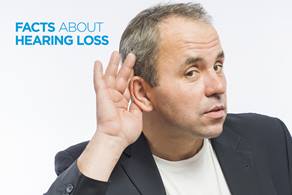
Hearing loss can affect people of different ages and may develop gradually or occur because of noise exposure, medical conditions, or other factors. Understanding the facts about hearing loss can help people recognize early symptoms, protect their hearing, and seek appropriate professional care.
- Hearing loss can affect one or both ears.
- It may develop gradually and go unnoticed initially.
- Not all hearing loss is caused by aging.
- Some types of hearing loss may be treatable.
- Hearing tests help identify the type and degree of hearing difficulty.
- Sudden hearing loss requires immediate medical assessment.
Lesser-Known Facts About Hearing Loss
Hearing loss is not always as simple as being unable to hear sounds. Some people can hear voices but struggle to understand conversations, particularly in noisy environments.
Hearing Loss Can Affect One or Both Ears
Hearing difficulties may affect one ear or both ears. The pattern depends on the underlying cause, which is why a professional hearing assessment can be useful.
Hearing Loss Can Develop Gradually
Early signs of hearing loss may include asking people to repeat themselves, increasing television volume, or struggling to follow conversations in crowded places. These changes can be subtle and may go unnoticed initially.
Common Signs to Watch For
- Frequently asking others to repeat themselves.
- Having difficulty understanding speech in noisy places.
- Increasing the volume of the television or headphones.
- Finding conversations more tiring than usual.
- Noticing that sounds seem muffled or unclear.
Hearing Loss Can Affect People of Different Ages
Hearing loss can occur in children, young adults, and older adults. Causes may include genetic conditions, infections, excessive noise exposure, certain medications, and age-related changes.
Hearing Loss Is Not Always Caused by Aging
Age is only one possible factor. Earwax buildup, middle-ear conditions, loud noise, injuries, and some illnesses can also affect hearing. Identifying the cause helps determine the appropriate next steps.
Some Types of Hearing Loss May Be Treatable
Hearing loss is generally classified into three main types. Understanding the differences can help explain why professional assessment is important.
Conductive Hearing Loss
This occurs when sound cannot travel efficiently through the outer or middle ear. Depending on the cause, treatment may include professional earwax removal or medical management of an ear condition.
Sensorineural Hearing Loss
This involves the inner ear or auditory nerve and is often permanent. Hearing aids and other interventions may help improve communication, depending on the individual's needs.
Mixed Hearing Loss
Mixed hearing loss combines conductive and sensorineural components. Treatment depends on the contributing causes and the recommendations of a qualified healthcare professional.
Hearing Loss Can Affect Communication and Emotional Well-Being
Difficulty following conversations can contribute to frustration, misunderstandings, or social withdrawal. Clear communication, reduced background noise, family support, and appropriate hearing technology can help.
When speaking with someone who has hearing difficulties, face them directly, speak clearly at a comfortable pace, and reduce background noise where possible. Avoid shouting, as it can distort speech and make understanding more difficult.
Loud Noise Can Damage Hearing
Repeated exposure to loud sounds or a single extremely intense sound can damage hearing. Lowering headphone volume, taking listening breaks, and wearing appropriate hearing protection can reduce the risk of noise-induced hearing loss.
- Keep headphone volume at a moderate level.
- Take regular breaks from prolonged listening.
- Use appropriate hearing protection around loud machinery or at noisy events.
- Move away from excessively loud sound sources whenever possible.
Hearing Tests Can Identify Hearing Difficulties
An audiologist can assess hearing using tests such as pure-tone audiometry and speech testing. The results help identify the pattern and degree of hearing difficulty and guide recommendations.
A hearing evaluation may also help determine whether further medical assessment is needed. The appropriate next step depends on the results, symptoms, and possible underlying cause.
Practical Ways to Protect Your Hearing
- Keep headphone volume at a moderate level.
- Use suitable hearing protection around loud machinery.
- Avoid inserting sharp objects into your ears.
- Seek professional advice about earwax buildup.
- Discuss possible medication-related hearing effects with your healthcare professional.
- Arrange an evaluation if hearing difficulties persist.
When to Consult an Audiologist
Consider a hearing evaluation if you regularly struggle to understand speech, frequently ask people to repeat themselves, or notice persistent changes in hearing.
Sudden hearing loss requires immediate medical assessment. If hearing suddenly decreases in one or both ears, seek urgent medical care rather than waiting for a routine audiology appointment.
Frequently Asked Questions
Take the Next Step Toward Better Hearing Health
Recognizing changes in hearing early can help you understand your options and make informed decisions. If you or a family member is experiencing hearing difficulties, consider scheduling a professional hearing evaluation with a qualified provider.
Schedule a Hearing Evaluation