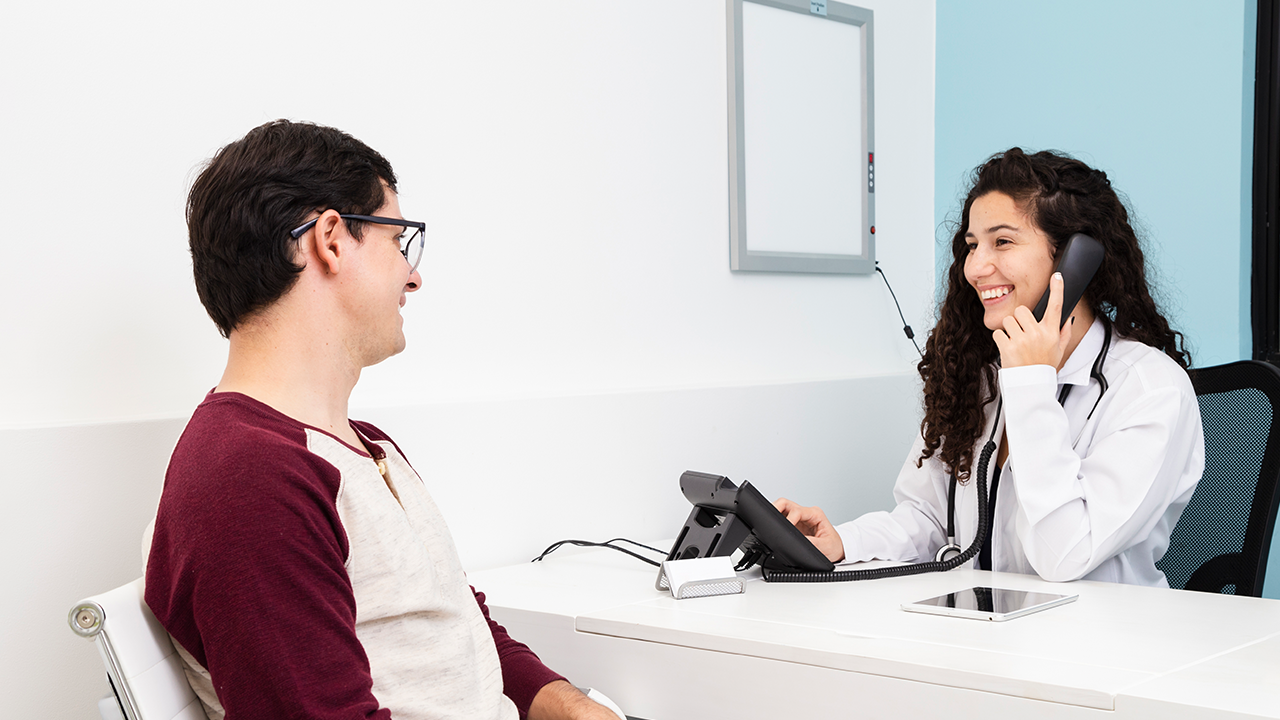

Managing hearing health does not always require traveling to a clinic for every follow-up question or hearing aid adjustment. With advances in hearing care technology, some services can now be provided remotely, allowing patients to connect with hearing professionals from home.
Remote hearing care includes virtual consultations, compatible hearing aid adjustments, troubleshooting, education, and selected follow-up services. However, not every hearing problem can be evaluated remotely, and the options available depend on your hearing needs, device, technology, and provider.
Understanding these choices can help you decide when online support is convenient and when an in-person appointment is the better option.
- Remote hearing care provides selected services through digital communication tools.
- Compatible hearing aids may support remote adjustments.
- Virtual consultations can help with follow-up questions and basic troubleshooting.
- Some hearing tests and ear examinations still require in-person care.
- Sudden hearing loss requires immediate medical assessment.
What Is Remote Hearing Care?
Remote hearing care uses digital communication tools and compatible hearing technology to connect patients with hearing care professionals without requiring every interaction to take place in a clinic. It can include video consultations, remote hearing aid programming, follow-up guidance, and selected monitoring services.
Also known as teleaudiology or online hearing care, this approach can complement traditional audiology appointments. The American Speech-Language-Hearing Association recognizes telepractice as a way to deliver appropriate assessment, consultation, intervention, and education through telecommunications technology.
Remote care does not mean that every hearing test, ear examination, or diagnosis can be completed online. Instead, it offers another way to access certain services when a qualified professional determines that remote delivery is appropriate.
Different Remote Hearing Care Options Available
Remote hearing care services cover several types of support, ranging from a brief video consultation to adjustments for compatible hearing aids. Understanding the differences helps you choose a service that matches your needs rather than assuming every online appointment provides the same level of care.
Virtual Hearing Consultations
Virtual consultations allow patients to discuss hearing concerns, ask questions about hearing aids, and receive guidance through a video call or another suitable communication method. The professional can review symptoms and medical history, explain possible next steps, and determine whether an in-person evaluation is needed.
Remote Hearing Aid Adjustments
Some compatible hearing aids allow an audiologist to adjust selected settings remotely through a supported app or connected platform. This may help address certain sound-quality concerns without requiring a clinic visit.
Remote Hearing Aid Troubleshooting
Remote support may help with basic issues, such as understanding app settings, checking device connections, or learning maintenance procedures. Hardware damage, persistent malfunction, or problems requiring physical examination may still need in-person assistance.
Online Education and Follow-Up
Patients may receive digital instructions about hearing aid use, communication strategies, device care, and adapting to new listening experiences. These sessions can supplement the initial fitting and ongoing professional care.
Virtual Audiology Appointments: What to Expect
A virtual audiology appointment generally involves discussing your hearing concerns, reviewing relevant history, and deciding which services can be provided safely online. Depending on your needs, the audiologist may offer education, review available hearing information, or recommend an in-person assessment.
Before the appointment, you may be asked about symptoms, current hearing aids, previous hearing tests, and situations in which you struggle to hear.
Topics You Can Discuss During a Virtual Appointment
- Difficulty understanding speech in noisy environments.
- Hearing aid comfort, sound quality, or usability concerns.
- Questions about device features and smartphone compatibility.
- Follow-up needs after a previous hearing evaluation.
- Whether an in-person examination or hearing test is necessary.
A video call cannot automatically replace a comprehensive hearing assessment. Accurate testing may require calibrated equipment, a suitable testing environment, and procedures that cannot be performed through an ordinary phone or laptop.
Remote Hearing Aid Adjustments and Programming
Remote hearing aid programming allows an authorized hearing professional to change supported device settings through compatible software and connectivity. Availability depends on the hearing aid model, manufacturer platform, smartphone or computer compatibility, and the professional's service arrangements.
For example, if your hearing aids sound uncomfortable in a particular listening situation, an audiologist may be able to review your feedback and make suitable adjustments remotely. Not every sound-quality issue can be resolved this way, and remote programming does not replace all aspects of professional fitting and verification.
- Check whether your hearing aids support remote programming.
- Confirm which smartphone, app, or connection is required.
- Ask whether the service requires a scheduled appointment.
- Find out how to contact technical support if the connection fails.
- Confirm whether an in-person visit may be needed to verify the settings.
Remote hearing aid adjustments can be convenient, but changes should remain guided by a qualified professional who understands your hearing assessment and individual needs.
Benefits of Remote Hearing Care for Patients
Remote hearing care can make selected follow-up services more convenient, particularly for people who have difficulty traveling or need help with compatible devices. It may reduce unnecessary trips and provide a practical way to maintain contact with a hearing professional between in-person appointments.
- Convenience: Attend suitable appointments from home.
- Accessibility: Reduce travel challenges for people with mobility limitations or busy schedules.
- Timely support: Discuss certain device problems without automatically waiting for an in-person visit.
- Caregiver involvement: With the patient's permission, a family member may help with technology or participate in the consultation.
- Ongoing education: Review hearing aid features and communication strategies in a familiar environment.
These benefits depend on the quality of the service, the patient's needs, and the available technology. Remote care is not automatically more effective than in-person care; the appropriate approach is the one that meets the patient's clinical needs.
Limitations: When Is an In-Person Appointment Necessary?
Remote hearing care cannot replace every examination or diagnostic procedure. An in-person appointment may be necessary when a clinician needs to examine the ear, conduct a comprehensive hearing test, assess a physical problem with a device, or perform procedures that require specialized equipment.
You may need in-person care if you experience persistent ear pain, drainage, a suspected earwax blockage, or unexplained changes in hearing. A professional may also recommend a clinic visit when remote troubleshooting fails or a hearing aid requires physical repair.
Sudden hearing loss requires immediate medical assessment. Do not wait for a routine virtual consultation or assume the change is caused by a hearing aid malfunction.
The best approach may combine online follow-ups with periodic in-person assessments. Your hearing professional can help determine which services are appropriate for each situation.
How to Prepare for a Remote Hearing Care Appointment
Preparing in advance can make an online hearing care appointment more productive. Check your technology, gather relevant information, and identify the questions you want answered before connecting with the professional.
Remote Appointment Checklist
- Test your internet connection, camera, microphone, and device battery.
- Keep your hearing aids, charging case, and compatible smartphone nearby.
- Install or update any required app before the appointment.
- Gather previous hearing test results and details about your hearing aids.
- Write down when the problem occurs and what you have already tried.
- Choose a quiet, well-lit space with minimal distractions.
- Confirm how the provider protects your personal and medical information.
Ask what to do if the connection fails and whether a follow-up clinic appointment may be required. Avoid sharing medical information through unverified platforms.
Who Can Benefit Most From Remote Hearing Services?
Remote hearing services may be useful for existing hearing aid users who need selected adjustments, people seeking general guidance, and patients who face travel or scheduling difficulties. Caregivers may also help patients navigate compatible technology when the patient agrees to their involvement.
However, suitability varies. Someone experiencing a new hearing problem may need a comprehensive assessment before remote support can be considered. Patients who are uncomfortable with technology or have unreliable internet access may prefer telephone support, in-person assistance, or a combination of care options.
Frequently Asked Questions
Explore Your Hearing Care Options
Remote hearing care can provide useful support for selected consultations, compatible hearing aid adjustments, and follow-up questions. However, the best results depend on choosing the right service for your individual needs and recognizing when in-person care is necessary.
If you are experiencing hearing difficulties or need help with your hearing aids, contact Hearing Healthcare Clinics to explore its available services and find out which assessment or support options may be appropriate for you.
Explore Hearing Care Services